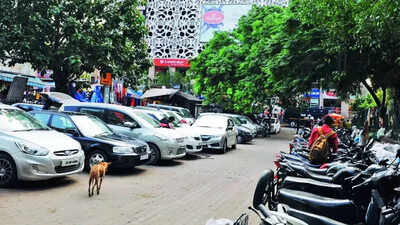
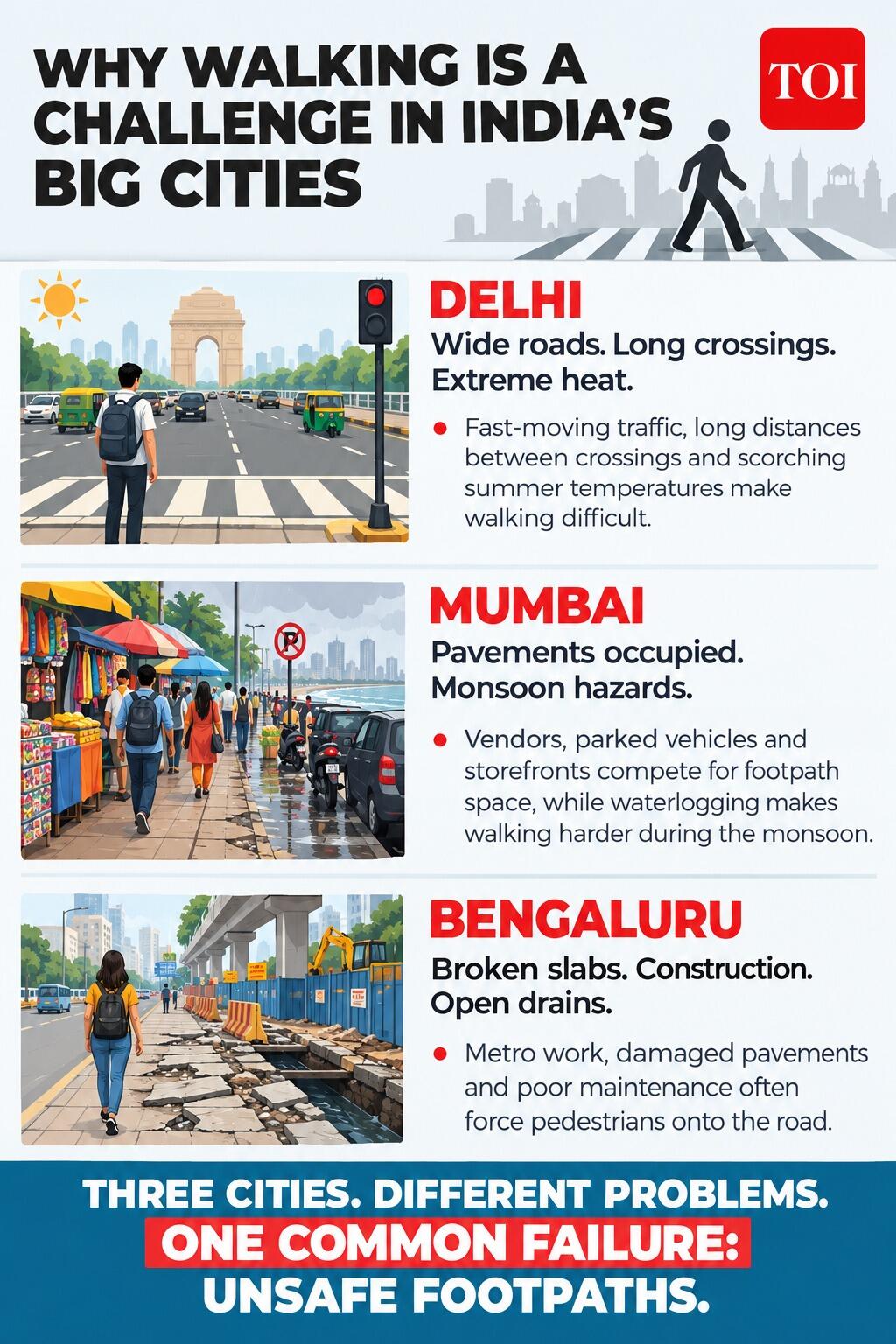
Walking in Delhi, Mumbai and Bengaluru is difficult because the footpaths are broken, blocked or non-existent, and road planning has always given priority to vehicles over people. Every city has its problem — the wide and fast roads, and heat in Delhi; the pavements doubling up as markets and parking in Mumbai; the construction and damaged slabs in Bengaluru.
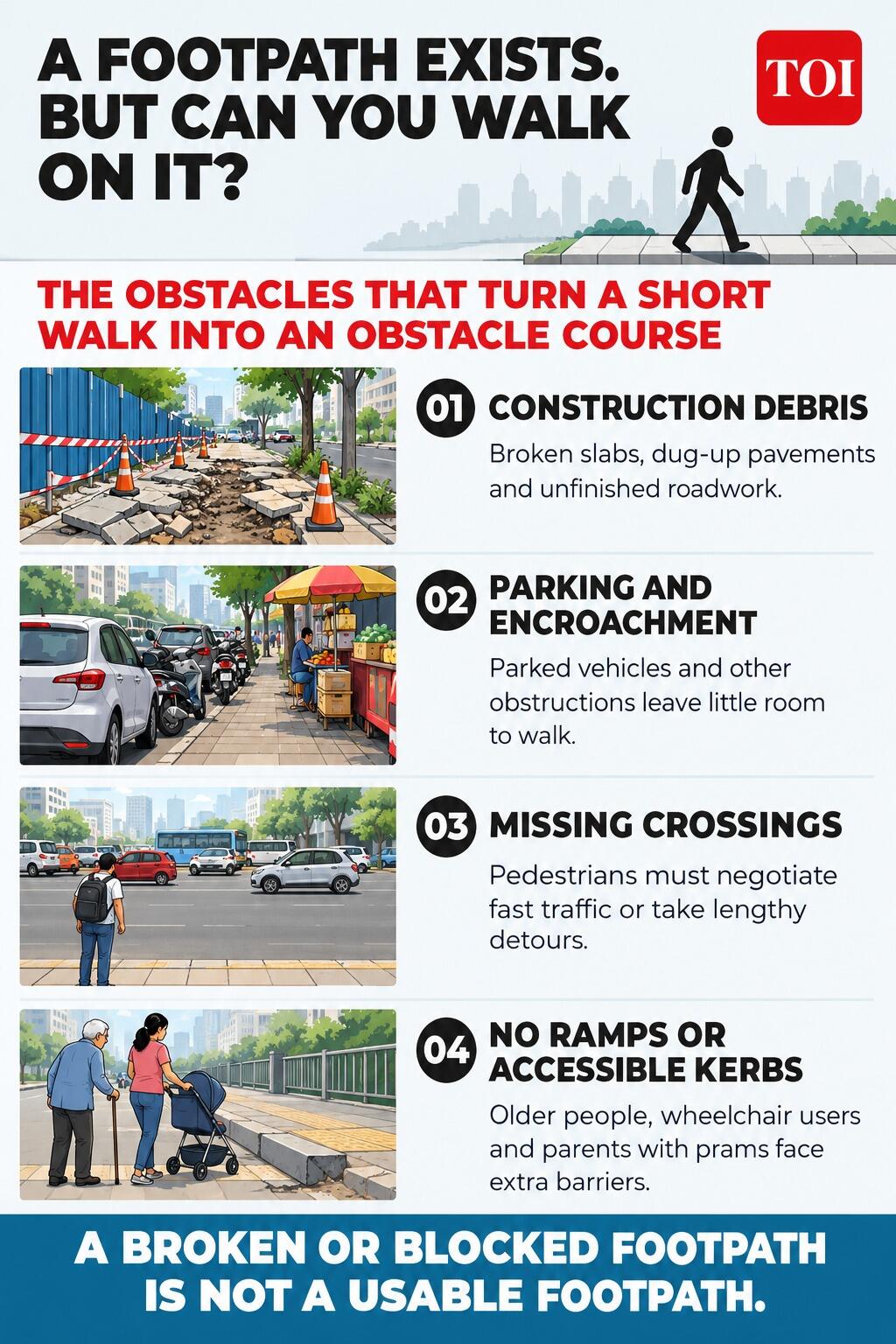
Road planning prioritises vehicles over pedestrians
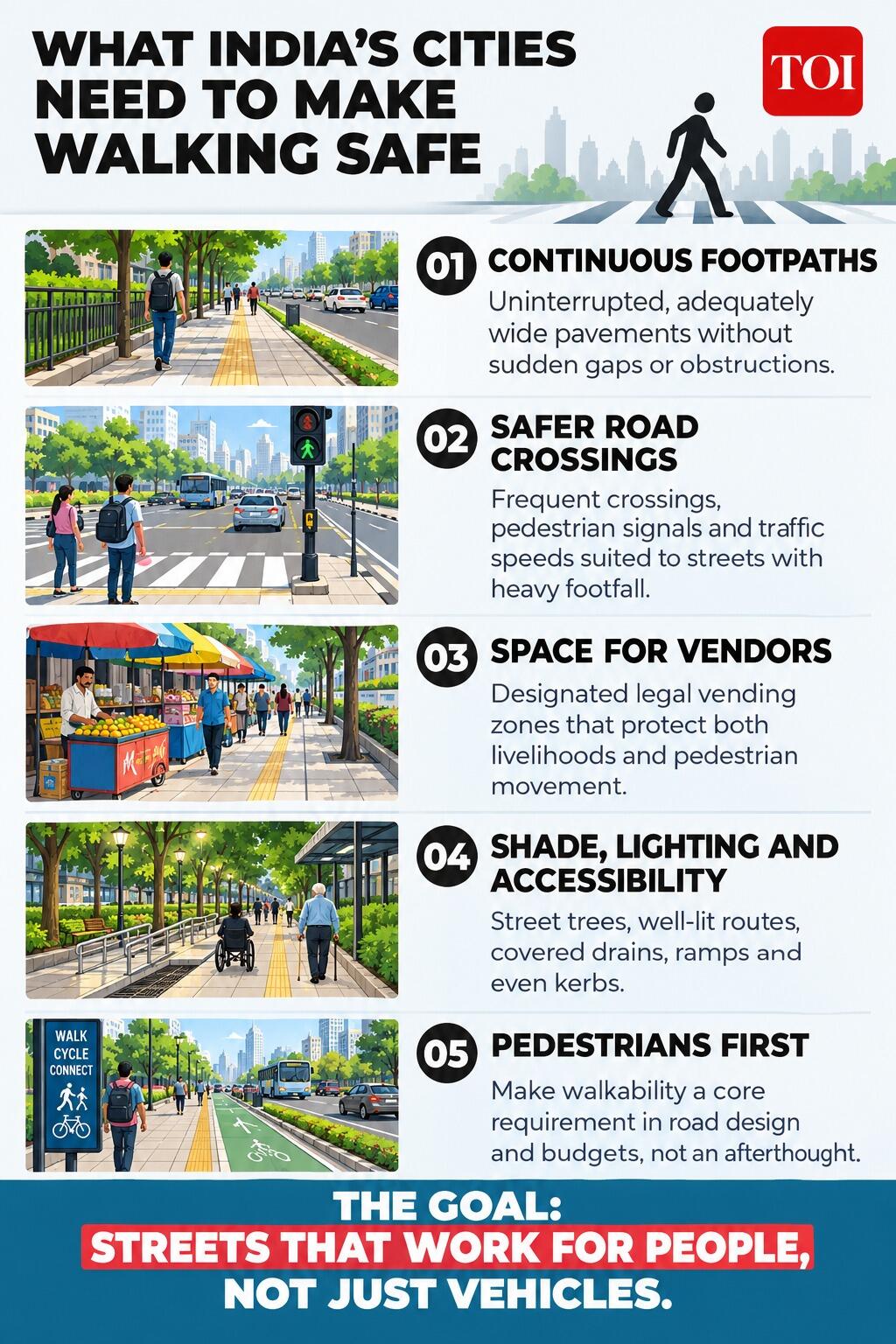
Poor lighting, no ramps, and pollution further push women, the elderly and the disabled away. As walking falls, traffic, pollution and health costs climb. The answer is continuous footpaths, safe crossings, legal vending spaces, shade and lighting, and treating pedestrians as primary road users instead of an afterthought.
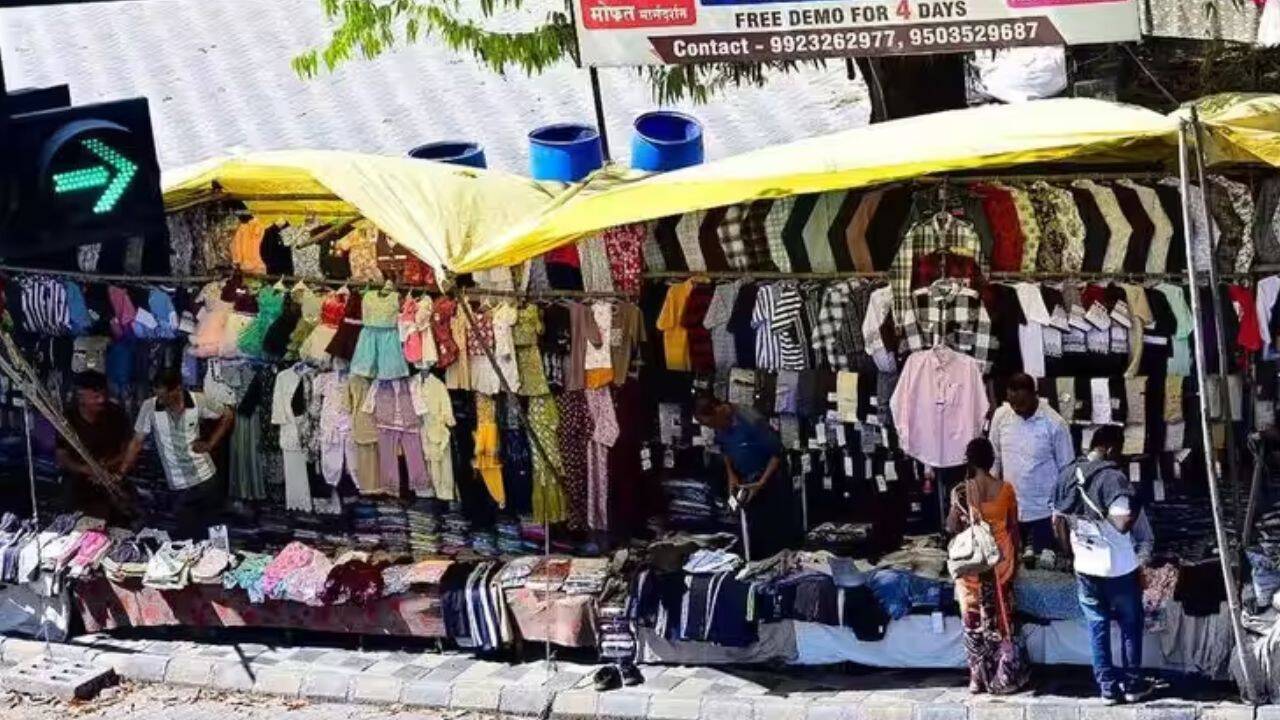
Blocked pavements highlight the daily struggle of walking in urban India.
Footpath is there, butWalk down any major road in Delhi, Mumbai or Bengaluru, and you will see the same pattern: a pavement begins, then disappears. It may end at a tree, a transformer box, a metro pillar or a heap of construction debris. Planners record the kilometers of footpath constructed, but that number conceals how much of it is continuous, wide enough for two people to pass, and unobstructed. For a pedestrian a pavement that is not usable from end to end is hardly a pavement.
Unsafe streets increase traffic and pollution
Pedestrian is the last thing on everyone’s mindFor the last two decades Indian cities have been busy widening roads, building flyovers and creating signal-free corridors. The idea was to speed up vehicles and the space for it in many places was taken straight off the footpath. Pedestrians are rarely included in discussions about road budgets, but make up a significant portion of daily trips. Figures from Delhi and Mumbai consistently show that pedestrians are a large part of the road deaths. When those most at risk are the least prepared for, the result is predictable.

Uneven surfaces and missing ramps make streets harder to navigate.
Three cities, three separate problemsEach city fails walkers in its own unique way. The pain points in Delhi are wide, fast roads, long distances between crossing and summer heat that makes walking at midday punishing. In Mumbai pavements often are the only open space available and so they double up as markets, parking and storefronts.

Footpaths often disappear along busy roads
Monsoon flooding adds another hazard. In Bengaluru, rapid growth, ongoing Metro construction and a long-running problem with the quality of pavements mean walkers regularly step onto the road to avoid broken slabs and open drains. The reasons are different but the result is the same. People do not want to walk.
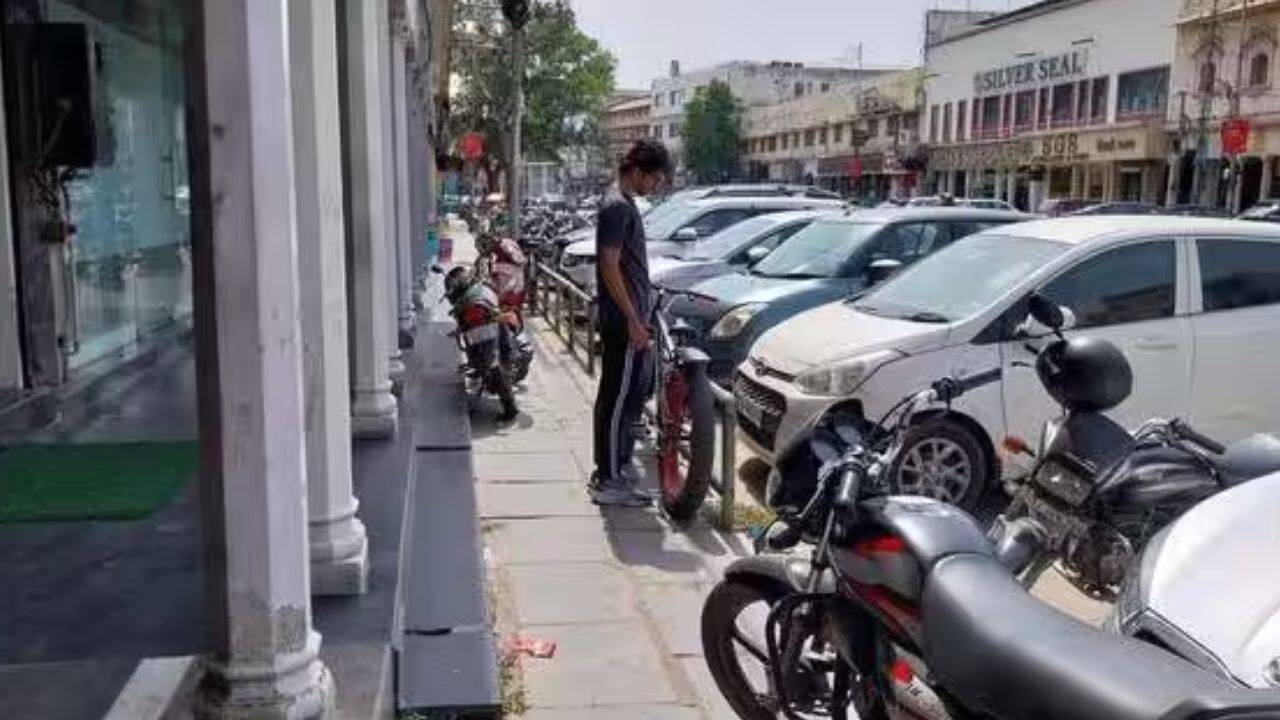
Pedestrian-friendly streets remain a challenge amid vehicle-focused urban planning.
Unseen wallsSome roadblocks never appear in infrastructure audits. Walking in the evening is uncomfortable, especially for women, who often plan routes based on perceived safety, rather than distance, due to low light levels. For the elderly, parents with prams and wheelchair users, a missing ramp or uneven kerb can turn a short trip into an ordeal. Walking is a health trade-off due to air pollution, especially in Delhi during winter months. These factors reduce the number of people who can use the city on foot in subtle ways.When walking stops, cities payWe walk less, and it’s not just an inconvenience. If people stop walking short distances and hop on to two-wheelers or autos, congestion goes up, parking problems increase and the air quality deteriorates – which in turn makes walking even less appealing. Local shops lose customers, public transport loses passengers because the last half-kilometre to a station feels unsafe and sedentary lifestyles add to a growing public health burden. The expense of unwalkable streets is paid by the entire city.What a walkable Indian city requiresThe fixes are well understood, if difficult to implement. Cities need uninterrupted and unobstructed footpaths of a minimum standard width, with frequent and well-timed crossings. The footpaths and livelihoods can co-exist. Vendors should be provided with designated, legal space and not be treated as encroachers. Street trees, covered drains and good lighting take care of comfort and safety at the same time. Most importantly, road budgets and design standards should be based on the premise that pedestrians are the primary users of a street, not an afterthought. Some cities have started pilot projects such as retrofitting for pedestrian friendliness and complete streets guidelines, but the real test will be scaling them up beyond a few showcase stretches.The bottom lineWhat no one tells you about walking in India’s biggest cities is that it is almost never the walker’s fault. It’s not that people have become lazy or temperamentally car-dependent and therefore walked less; the city has made walking difficult, uncomfortable and sometimes dangerous. As long as footpaths are considered leftover space rather than essential infrastructure, the most basic form of urban mobility will continue to lose ground.
About The Author