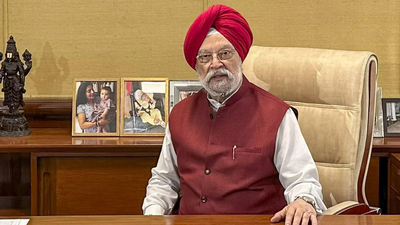




Hargurjit Singh Minhas worked for eight years in Greece. But then something hit him and the 36-year-old decided to return to his own country, his own village in Punjab. The man came back to explore the possibilities of farming on his family’s land. Today, the farmer from Daroli Kalan village in Jalandhar has built a sugarcane-based agricultural enterprise spread across 60 acres, generating an annual revenue of over Rs 2 crore and net earnings of Rs 60-65 lakh.As per a report by The Indian Express, his approach combines sugarcane cultivation, multiple intercrops and mechanised harvesting services to create different sources of income from agriculture.From Greece to back to PunjabMinhas completed Class XII and spent eight years working there. His experience included exposure to agricultural practices, which eventually influenced his decision to return to Punjab and take up farming.He had agricultural land in his village and looked at an opportunity to build something of his own. He returned to Punjab around five years ago and also completed a one-year Diploma in Agriculture Extension Services for Input Dealers (DAESI).However, instead of following the conventional wheat-paddy cultivation cycle prevalent across much of Punjab, he decided to experiment with sugarcane.Managing 60 acres of sugarcane
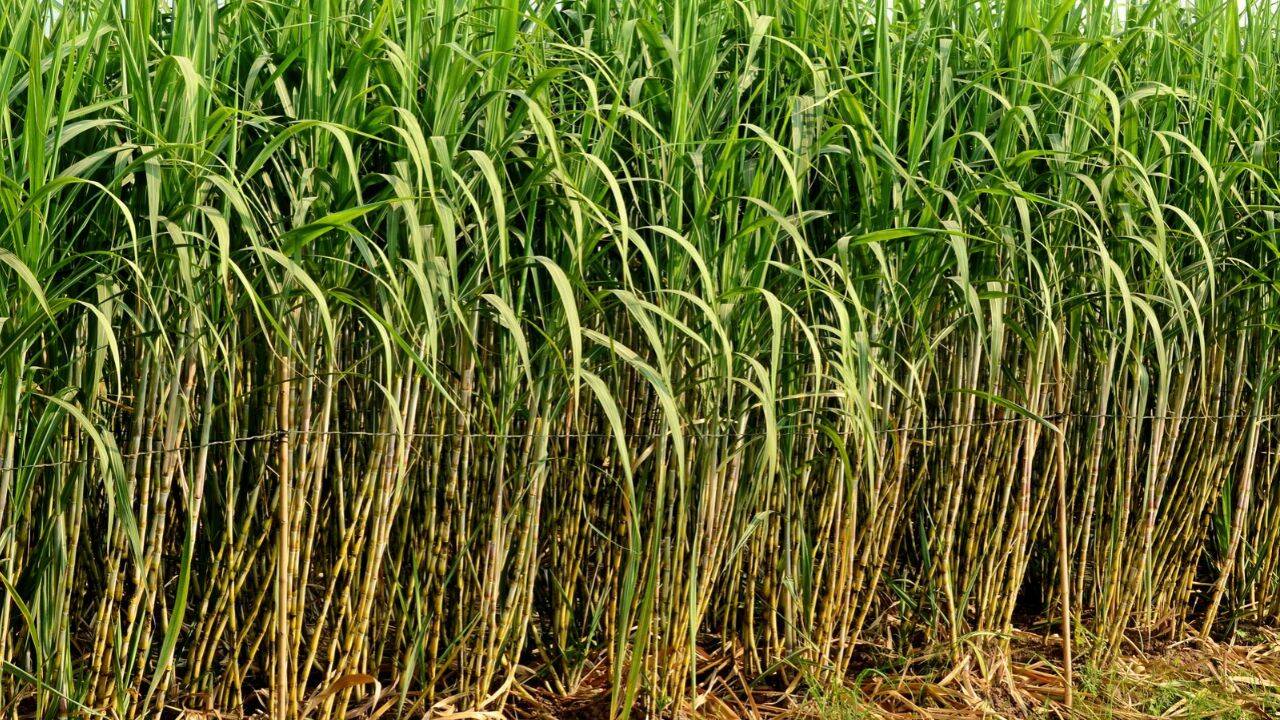
Sugarcane field (Canva)
Today, Minhas cultivates approximately 60 acres, comprising 12 acres of family-owned agricultural land and another 48 acres taken on lease. The leased land costs him Rs 35,000 per acre annually.His cultivation is divided between two planting seasons. Around 35 acres are under autumn planting, while 25 acres are used for spring ratoon cultivation.One of the main features of his farming model is intercropping. It means growing seven to eight additional crops, depending on the season. These include wheat, white gram, black gram, peas, linseed, moong, mash and mustard.According to his estimates, intercropping contributes another Rs 20,000-25,000 per acre. After accounting for cultivation expenses, he estimates that sugarcane generates returns of approximately Rs 76,000 per acre on his own land and Rs 41,000 per acre on leased land, after paying rent.He also claims that continuing with the conventional wheat-paddy cycle on the same land would have generated net earnings of approximately Rs 45-46 lakh, compared with the higher returns possible through his diversified model.A different planting technique helps reduce costsMinhas has also changed the way sugarcane is planted. Instead of depending entirely on conventional planting methods, he follows a trench-based system, maintaining approximately five feet of distance between rows and around one foot between plants.He uses the single-eye bud technique, in which seedlings are raised in a nursery before being transplanted into the fields.According to him, this method significantly reduces the quantity of sugarcane required for planting. While conventional methods may require nearly 30 quintals of seed cane per acre, he says approximately 1.5 quintals are sufficient to raise seedlings for the same area.He cultivates Coimbatore selections, commonly known as Co canes, along with Punjab varieties such as PB 96 and PB 98 and Co 20016.Water management is another factor behind his choice of crop. Minhas estimates that sugarcane cultivated using his practices consumes approximately half the water required for paddy, although the crop remains in the field for around a year or longer, depending on the planting season.Mechanised harvesting

Hargurpreet in the field (PC: Indian Express)
Apart from cultivation, Minhas has developed a third revenue stream by offering mechanised sugarcane harvesting and transportation services to other farmers.The harvesting setup represents an investment of approximately Rs 2 crore. It includes a harvester costing around Rs 1 crore, four trolleys worth Rs 30-35 lakh, two tractors costing approximately Rs 22 lakh and other equipment. He also received a government subsidy of Rs 36 lakh towards the machinery.The machine can harvest and transport approximately 1,000 quintals of sugarcane in a day. According to Minhas, the same work would otherwise require around 15 labourers and take nearly five days to complete.He charges other farmers between Rs 70 and Rs 100 per quintal, depending on the distance between their fields and the sugar mill.During the previous season, he harvested approximately 45,000 quintals for other farmers. This year, he is targeting more than one lakh quintals, with several growers already approaching him for the service.At an average charge of Rs 80-85 per quintal, handling one lakh quintals could generate gross receipts of Rs 80-85 lakh in a season. After expenses on fuel, transportation, labour, repairs and machinery maintenance, he estimates that around Rs 24-25 lakh could remain.Minhas says he has avoided taking loans for routine farming operations, although he borrowed money to purchase the harvesting machinery and hopes to repay it soon.Rather than depending on a single crop, he has attempted to turn farming into a business with multiple revenue streams, using the same land to generate earnings through cultivation, intercropping and services for fellow farmers.
About The Author