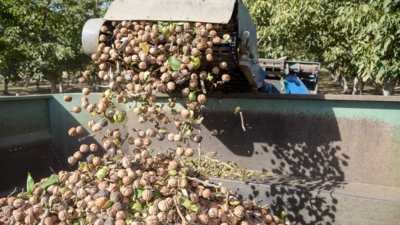
A simple email marketing test launched in 2024 became a major business success for a California walnut farmer. It showed how selling directly to customers can greatly increase farm income. The farmer first contacted a list of 10,000 people who had bought cherries from his orchard in the past. From that large group, only 300 people chose to receive updates and direct offers for his upcoming walnut harvest. Despite the small number of customers who signed up, those 300 buyers helped the farmer build a direct sales business. In the end, he tripled the total gross revenue from his walnut crop. The strategy reflects a growing trend among specialty crop farmers looking for alternatives to traditional wholesale sales. By selling directly to households, growers can earn more from each sale and protect their businesses from changes in wholesale prices.
Direct sales boost crop returns
Commercial nut farmers usually rely on wholesalers and processors to buy and distribute their seasonal crops. These businesses can handle large amounts of produce, but farmers remain exposed to changing market prices, processing fees and lower payments for their crops. In 2024, the California farmer tested whether the customer relationships he had built during cherry season could help him sell walnuts, too. Cherries are often an impulse purchase during the summer, but he found that customers who enjoyed buying fruit directly from his farm were also interested in purchasing fresh walnuts. Of the 10,000 cherry customers who received an email, only 300 signed up for the separate walnut mailing list. However, these 300 subscribers were committed buyers who were willing to purchase directly from the farm at retail prices. By selling to this focused group, the farmer earned more per pound than he would have through wholesale markets. The extra money from direct sales was enough to triple the total gross revenue from his entire walnut harvest.
Farm economics shift away from wholesale
Selling produce directly to customers means handling packaging, processing orders and shipping products to homes. However, the higher earnings are encouraging more farmers to try this approach. Under standard wholesale agreements, farmers deliver their crops to processors. The final amount they receive depends on global supplies and market demand. In years with large harvests or trade barriers, wholesale prices can fall close to the cost of growing the crops. Direct sales allow farmers to set prices based on the quality of their crops, freshness and shipping costs. For small and medium-sized orchards, selling even part of their yearly harvest directly to customers can help make income more stable. The results of the 2024 campaign showed that farmers do not need a huge customer base to improve their earnings. A small list of interested, repeat buyers can generate enough sales to make an entire crop much more profitable.
Building long-term customer relationships
The farmer’s experience shows how important it is to keep customers and build a reliable contact list in modern agriculture. Collecting 10,000 customer contacts took work during cherry harvest season. However, turning some of those buyers into customers throughout the year created a repeatable way to sell other crops. By keeping in touch through email, the farmer built a steady sales channel and reduced his dependence on outside brokers. Industry analysts point out that direct sales can help specialty crop farmers manage financial risks. With the costs of water, fuel, labour and equipment rising, building direct relationships with customers gives farmers more control over the prices they receive for their crops.

About The Author